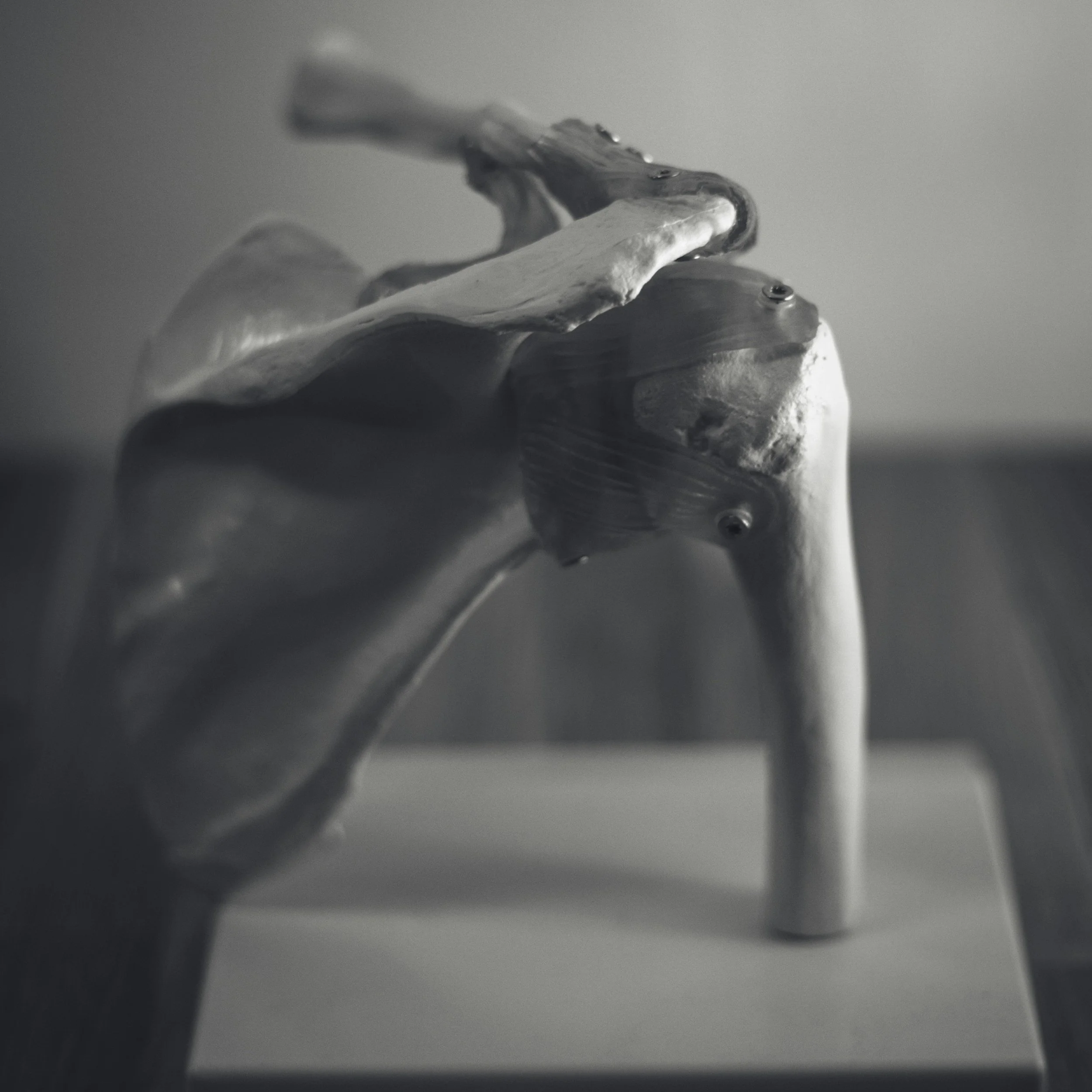
Fascia and 2TLS Treatment of the Upper Limb
june 7, 8 + 9
Most upper limb treatment focuses on the rotator cuff, the elbow extensors, or the wrist flexors. The assumption is that the problem is local. The treatment reflects that assumption.
This course starts elsewhere. The upper limb does not operate in isolation. It is part of a continuous fascial network where the joints serve as way stations for fluid movement, and the ligaments and tendons function as afferent highways to the nervous system.
If you treat the subscapularis insertion without addressing its link to the supraspinatus, you overload the transverse humeral ligament. If you mobilize the glenohumeral joint without addressing fascial chain continuity to the lymphatic system, you are moving structure without restoring function.
This course teaches you to treat the upper limb as an integrated fascial system, not a collection of isolated injuries.
Most upper limb treatment focuses on the rotator cuff, the elbow extensors, or the wrist flexors. The assumption is that the problem is local. The treatment reflects that assumption.
This course starts elsewhere. The upper limb does not operate in isolation. It is part of a continuous fascial network where the joints serve as way stations for fluid movement, and the ligaments and tendons function as afferent highways to the nervous system.
If you treat the subscapularis insertion without addressing its link to the supraspinatus, you overload the transverse humeral ligament. If you mobilize the glenohumeral joint without addressing fascial chain continuity to the lymphatic system, you are moving structure without restoring function.
This course teaches you to treat the upper limb as an integrated fascial system, not a collection of isolated injuries.
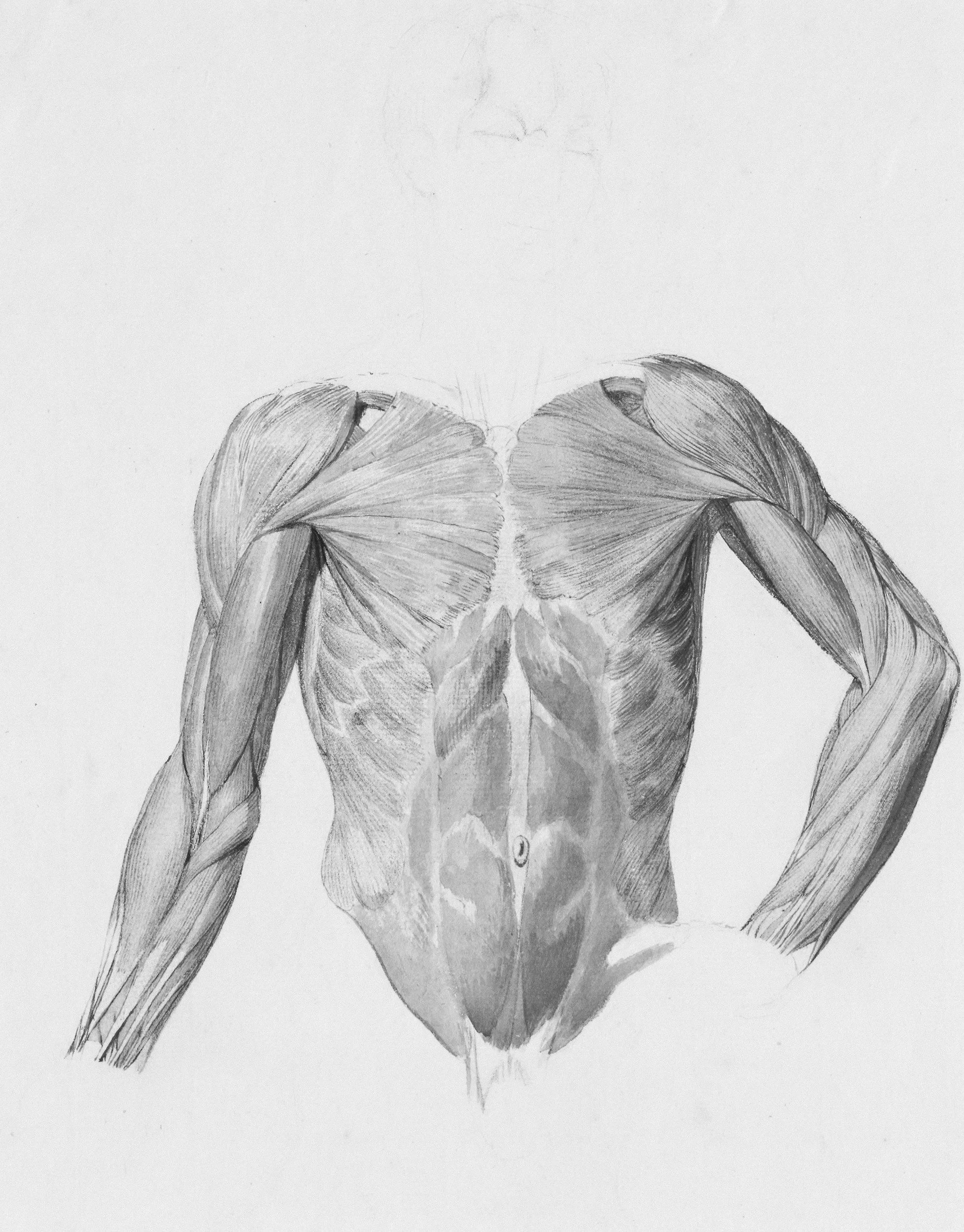
What You'll Learn
Fascial Chain Treatment
The fascial chains of the upper limb include the joints and capsules as the primary regulators of fluid movement. In this system, normalization is not soft tissue work. It is osteoarticular pumping combined with chain-specific fascial integration.
You will learn:
How to identify the true fascial chains of the upper limb (not muscle chains, fluid pathways)
The role of the joint capsule as the central regulator of lymphatic drainage
Osteoarticular pumping techniques for the shoulder complex, elbow, and wrist
How fascial chain dysfunction creates compensatory tension patterns that appear elsewhere in the kinetic chain
2TLS (Transverse Tendon and Ligament Stretching)
2TLS is not a general stretching protocol. It is a highly specific manual technique designed to improve the individuality of tendon and ligament structures while simultaneously upgrading the quality of afferent input from those tissues.
Neurological rehabilitation is not limited to balance drills and visual training. The nervous system depends on the quality of the receptors in the fascia: the ligaments, tendons, periosteum, and capsules.
You will learn:
How to free the fibers of tendon from each other
How to free the fibers of ligament from each other
How to alter the thixotropy (fluid viscosity) of water within the fibers and extracellular matrix
How to use 2TLS to influence afferent input and trick the nervous system to release protective tension patterns
Why 2TLS? If the fascial link between the subscapularis attachment at the humerus and the supraspinatus insertion is not free and flexible, the transverse humeral ligament compensates. In the biotensegrity model, these links are not optional. They are structural.
Why This Course Matters
The goal of movement and therapy is this: Create the highest level of proprioceptive input to the brain so the body can move efficiently, powerfully, and adapt faster than the demands placed on it.
Neurological rehabilitation is not limited to balance drills, visual training, or juggling exercises. It depends on the quality of the receptors in the fascia: the ligaments, tendons, periosteum, and capsules. If those structures are not mechanically sound and sensorially responsive, no amount of movement training will correct the underlying deficit.
Those with the best fascia win.
This course gives you the assessment framework and manual skills to address the root cause of upper limb dysfunction. Not the symptom - the structure.
Who This Course Is For
This course is designed for practitioners who:
Want a cohesive system for upper limb treatment, not a collection of techniques
Work with overhead athletes, throwing athletes, or active populations where upper limb durability is critical
Are familiar with osteopathic principles or the Guy Voyer lineage (SomaTherapy, ELDOA, Pumping)
If you are looking for rotator cuff protocols or generic shoulder mobilizations, this is not the course for you.
details
Date: June 7, 8 + 9
Time: 9:00 AM – 5:00 PM
Location: Costa Mesa, CA
Cost: $1,500
Bundle Option:
Enroll in all three courses (Upper Limb, Lower Limb, Trunk and Pelvis) for $3,750.
First Time SomaTherapy Student:
Day One - $417
Prerequisites: Familiarity with osteopathic principles, fascial anatomy, and manual therapy is recommended but not required.
Frequently Asked Questions
Still have questions? Take a look at the FAQ or reach out anytime. If you’re feeling ready, go ahead and register.
-
Traditional courses teach you how to treat the rotator cuff or release the pec minor. This course teaches you to treat the upper limb as part of a continuous fascial system where the joints regulate fluid movement and the ligaments and tendons regulate neurological input. The difference is in the framework.
-
Tendons and ligaments have a higher proportion of collagen fibers to cells compared to other fasciae. This structural composition gives them tensile strength but also requires specific manual techniques to address fiber-to-fiber freedom and sensory cell function. 2TLS is designed to meet both the mechanical and neurological demands of these tissues.
-
No. Familiarity with ELDOA or the Guy Voyer lineage is helpful but not required. The course will introduce osteoarticular pumping concepts as they apply to the upper limb.
-
Yes. You will practice fascial chain treatment and 2TLS techniques throughout the day.
-
Comfortable clothing that allows access to the upper limb (tank top or similar). No special equipment is required
-
Yes. Each course can be taken individually. However, the full system is best understood when all three are completed.
-
The bundle price is $3,750 for all three courses (Upper Limb, Lower Limb, Trunk and Pelvis). This represents a savings of $750 compared to purchasing individually.